

Alpert Schreyer Personal Injury Lawyers | January 12, 2026 | Car Accident
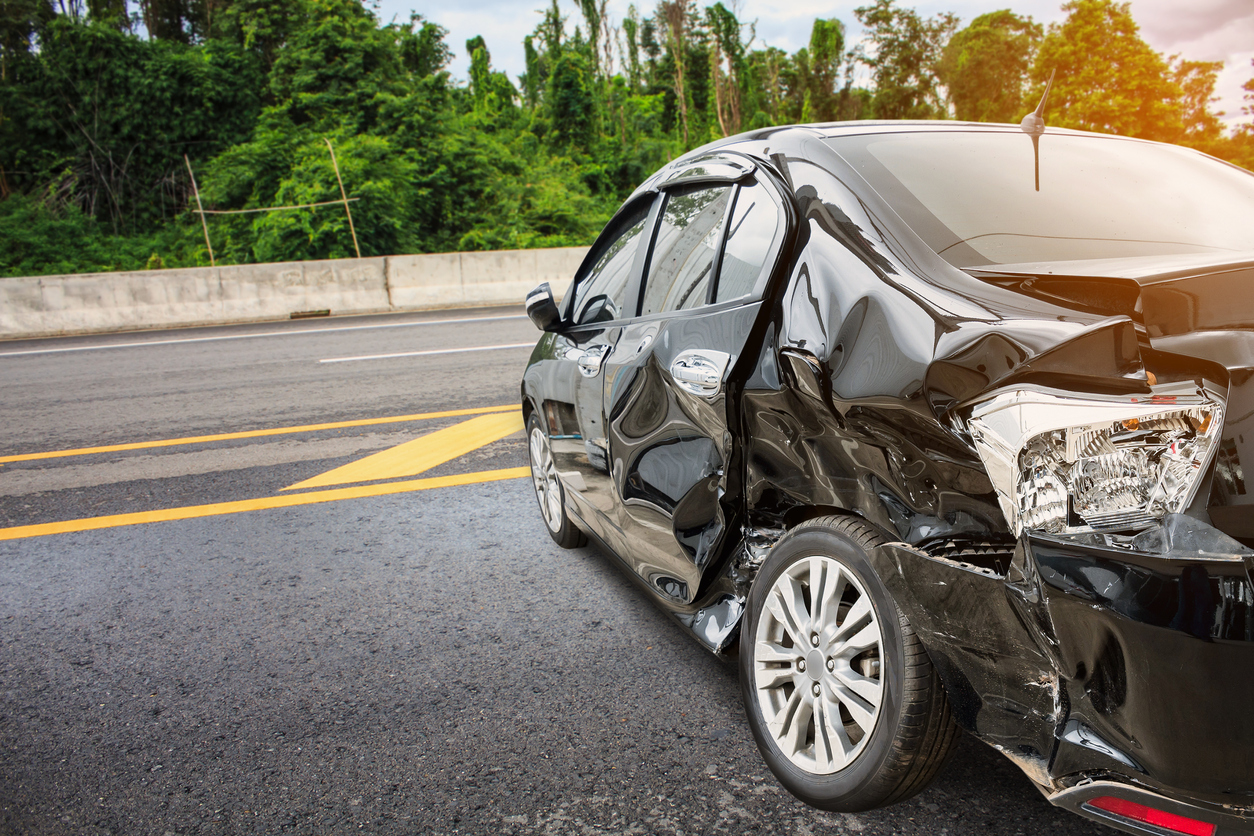
A T-bone car accident, also called a side-impact collision, occurs when the front of one vehicle strikes the side of another, forming a “T” shape at the point of impact. These crashes are among the most dangerous types of motor vehicle accidents because the sides of vehicles offer less structural protection than the front or rear.
Determining fault in a T-bone accident is critical because liability directly affects compensation for medical expenses, lost wages, pain and suffering, and other damages. Understanding how fault is determined in Maryland can help injured drivers and passengers protect their rights after a serious collision. If you have any questions about who is at fault, contact our car accident attorney for a free consultation.
What Causes T-Bone Accidents?
Most T-bone accidents occur at intersections. Common causes include running a red light, failing to yield the right of way, distracted driving, speeding, and impaired driving. In many cases, one driver enters an intersection unlawfully and strikes a vehicle that is proceeding legally through the intersection.
These crashes frequently result in severe injuries such as traumatic brain injuries, spinal cord injuries, broken bones, internal organ damage, and long-term disability. Because the injuries are often serious, determining fault becomes especially important in a personal injury claim.
How Fault Is Determined in a T-Bone Collision
Fault in a T-bone accident is based on negligence. Under personal injury law, negligence occurs when a driver fails to exercise reasonable care, and that failure causes harm to another person.
To establish liability, an injured party must show that the at-fault driver owed a duty of care, breached that duty, and caused damages.
Evidence used to determine fault may include:
- Police accident reports
- Traffic camera or surveillance footage
- Eyewitness statements
- Vehicle damage patterns
- Skid marks and roadway evidence
- Cell phone records in distracted driving cases
Insurance companies and courts analyze this evidence to decide which driver violated traffic laws or acted unreasonably.
The Role of Traffic Signals and Right of Way
Traffic signals play a major role in determining fault. If one driver ran a red light or ignored a stop sign, that driver is usually found at fault. Maryland traffic law requires drivers to obey traffic control devices, including traffic signals and stop signs.
When a driver fails to yield the right of way, such as when making a left turn across oncoming traffic, that driver may be liable for a T-bone accident. Left-turn collisions are especially common and often result in side-impact crashes when a driver misjudges speed or ignores an oncoming vehicle.
Maryland’s Contributory Negligence Rule
Maryland follows a strict contributory negligence standard. Under this rule, if an injured person is found even one percent at fault for the accident, they may be barred from recovering compensation. This legal doctrine makes fault determinations especially important in Maryland car accident cases.
For example, if a driver lawfully entered an intersection but was slightly speeding at the time of impact, the insurance company may argue contributory negligence to deny the claim entirely. This is why evidence collection and legal analysis are crucial after a T-bone collision.
What To Do After a T-Bone Accident
After a T-bone accident, taking the right steps can protect your health and strengthen any future insurance or legal claim. Side-impact crashes often cause serious injuries, even at lower speeds, so it’s important to act carefully and document everything from the start.
- Call 911 and seek medical attention, even if you feel okay
- Move to a safe location if possible and follow police instructions
- Exchange information with the other driver and gather witness contact details
- Take photos of vehicle damage, the intersection, and any visible injuries
- Avoid admitting fault or making statements to insurance companies before getting advice
Once you’ve addressed immediate safety concerns, speaking with an experienced car accident lawyer can help you understand your options and protect your rights moving forward.
Contact Alpert Schreyer Personal Injury Lawyers for a Free Consultation
Determining who is at fault in a T-bone car accident is often complex, especially in Maryland, where contributory negligence laws can prevent recovery even when an injured person bears minimal responsibility. Because side-impact collisions frequently result in serious injuries and disputed liability, a thorough investigation and careful legal analysis are essential.
An experienced car accident attorney can help gather critical evidence, challenge unfair fault allegations, and pursue the compensation you deserve after a devastating T-bone collision. Contact Alpert Schreyer Personal Injury Lawyers for a free consultation.
For more information, please contact Alpert Schreyer Personal Injury Lawyers to schedule a confidential consultation with a personal injury lawyer. Our team is available to assist clients in Lanham, Frederick, Rockville, Waldorf, Annapolis, and Lexington Park, Maryland.
We proudly serve Charles County, Prince George’s County, and its surrounding areas. Visit our law offices at:
Alpert Schreyer Personal Injury Lawyers – Waldorf Office
8 Post Office Rd Waldorf, MD 20602
(301) 932-9997
Available 24/7
Alpert Schreyer Personal Injury Lawyers – Lanham Office
4600 Forbes Blvd Ste #200 Lanham, MD 20706
(301) 936-0011
Available 24/7