
Alpert Schreyer Personal Injury Lawyers | September 19, 2025 | Maryland Law
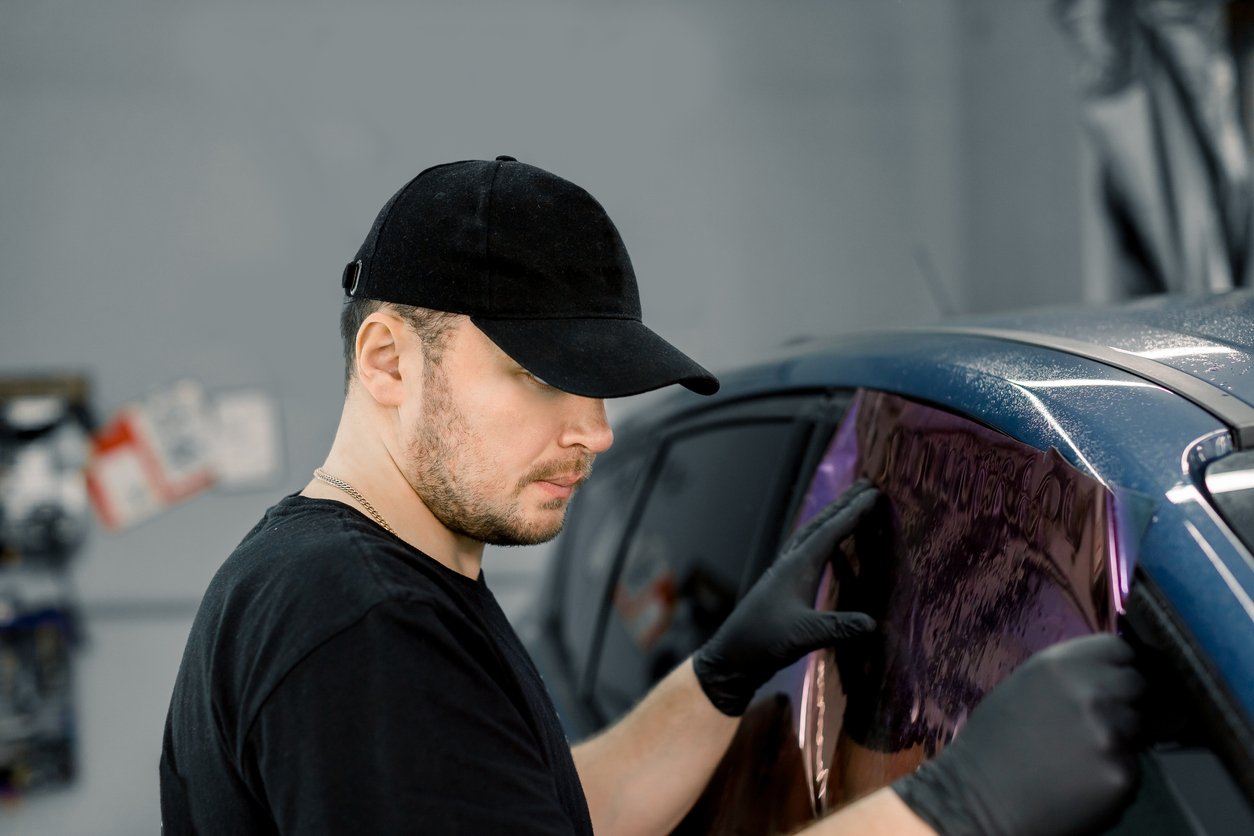
Window tint for automobiles is a thin laminate film applied to the vehicle’s windows. The laminate blocks UV rays, reduces heat, and enhances privacy. Many car owners like window tint because it enhances the appearance of their vehicles.
Window tinting materials include carbon film, dyed film, ceramic film, and metallized film. The films come in different colors and darknesses. States set laws for window tinting for vehicles registered within the state.
Maryland drivers are expected to know, understand, and follow window tint laws in Maryland. Drivers who break window tint laws can face fines, penalties, and potential problems in a personal injury case. Here’s more about what you need to know.
Maryland Window Tint Limits in 2025
For window tint laws in Maryland, the key rules are established under Maryland Transportation Code §22-406. These rules are enforced in Prince George’s County and statewide. The laws regulate how dark and reflective vehicle window tints can be for different vehicle types and windows.
Regulations for inspections can be found in Title 11 Subtitle 14 of the Code of Maryland Regulations. A summary of the window tint laws in Maryland by the Maryland Department of State Police includes:
- Amber, yellow, and red colors are prohibited for window tint.
- State law prohibits window tint that is reflective or metallic because the tints can cause glare and reduce visibility.
- Post manufacturer add-on tint cannot be applied on the windshield of a vehicle five inches from the uppermost edge of the windshield or below the AS1 line, whichever is less.
- For station wagons, convertibles, and passenger vehicles, add-on window tint for all windows must allow light transmittance of at least 35%.
- Window tint that has a sparkling effect is prohibited.
- For Class E trucks with a GVWR of 10,000 pounds or less, vans, and multipurpose vehicles, add-on tint to the driver and right front passenger door windows must allow light transmittance of at least 35%, but all other windows can be tinted darker.
A few terms that are helpful to know when determining if your vehicle meets Maryland’s window tinting laws include VLT (visible light transmission). VLT is the percentage of visible light allowed to pass through a window.
The AS1 line refers to the manufacturer’s mark near the top of a windshield, usually about four to six inches from the top edge.
Medical Exemption for Window Tint Laws in Maryland
Maryland law provides a medical exemption to the maximum darkness of window tints. Some individuals may have a medical condition that makes them sensitive to light. In those cases, the individual may need a darker window tint than state law allows.
Before tinting your windows, you should obtain a certification from your doctor and have it approved by the state. Otherwise, you risk being stopped by the police and receiving a ticket for violating Maryland window tint laws.
How To Avoid Penalties for Violating Maryland’s Window Tint Laws
Police officers may issue a Safety Equipment Repair Order (SERO) requiring the driver to correct the window tint within ten days. Failing to correct the tint and provide proof of the repair to the Maryland State Police can result in fines of up to $1,000 and other penalties. Repeat offenders could face steeper penalties.
Why Do Window Tint Laws in Maryland Matter?
Illegal window tint can reduce a driver’s visibility, making it much more difficult to see objects and vehicles. Drivers need to be able to see the road ahead and everything entering their path to avoid collisions. Therefore, a dark tint could increase the risk of a car accident.
With Maryland’s strict contributory negligence laws, illegal window tint could complicate liability in a car accident case. The insurance company may argue that the driver was unable to see clearly due to the illegal window tint. Therefore, their actions contributed to the cause of a car crash.
If jurors agree, the driver could be barred from receiving economic and non-economic damages under the state’s contributory fault laws.
How Can You Test Tint?
Drivers can test the visibility through tint with several tools. Some auto repair shops or auto stores may test the VLT percentage of the window tint. If you have any doubts about whether your window tint is legal in Maryland, seek advice from an automotive window tinting facility.
Verifying your window tint is legal can avoid fines and a potential problem in a car accident case.
Searching for Help With a Maryland Car Accident Claim
Illegal window tint could impact a personal injury claim after a car accident. At Alpert Schreyer Personal Injury Lawyers, our Prince George’s County car accident lawyers have extensive experience helping injured victims seek compensation for damages.
For more information, please contact Alpert Schreyer Personal Injury Lawyers to schedule a confidential consultation with a personal injury lawyer. Our team is available to assist clients in Lanham, Frederick, Rockville, Waldorf, Annapolis, and Lexington Park, Maryland.
We proudly serve Charles County, Prince George County its surrounding areas. Visit our law offices at:
Alpert Schreyer Personal Injury Lawyers – Waldorf Office
8 Post Office Rd Waldorf, MD 20602
(301) 932-9997
Available 24/7
Alpert Schreyer Personal Injury Lawyers – Lanham Office
4600 Forbes Blvd Ste #200 Lanham, MD 20706
(301) 936-0011
Available 24/7